


The large-scale and continuous introduction of non-native species poses unprecedented challenges to ecosystems, agriculture, livestock production, and human health.
In response to these challenges, the HUN-REN Centre for Ecological Research has published a 60-page science-based booklet entitled Új fajok, új kihívások – Az inváziós fajok terjedése és kezelési lehetőségei Magyarországon (New Species, New Challenges – The Spread and Management of Invasive Non-Native Species in Hungary). The publication was prepared within the framework of the Invasion Biology Division of the National Laboratory for Health Security.
The booklet aims to provide accessible yet scientifically sound guidance on invasion biology, while also offering practical advice on mitigating the impacts of invasive species.
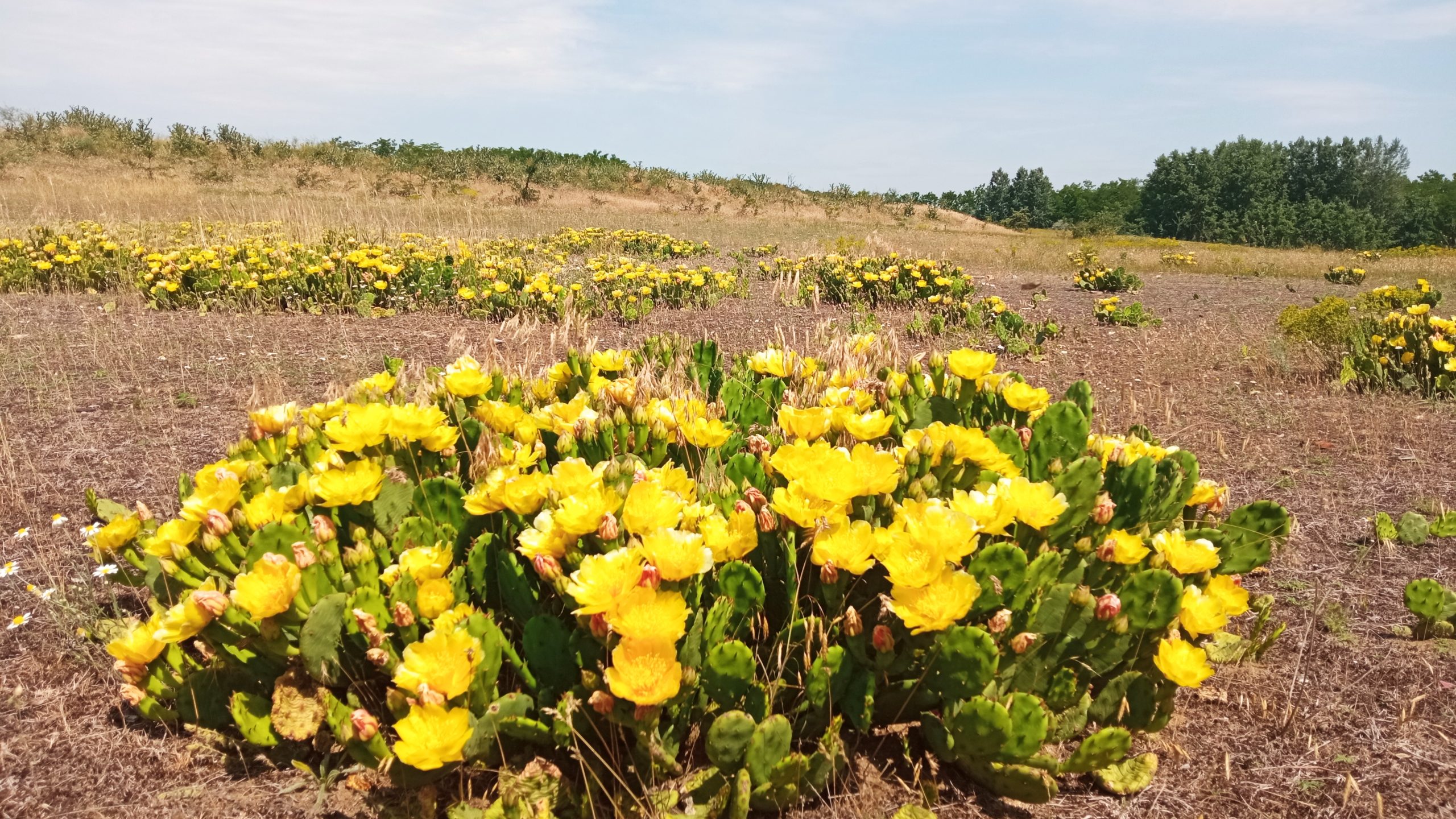
In a globalised world shaped by international trade and intensive human mobility, completely preventing the arrival of non-native species is unrealistic. However, biological invasions are not beyond control: the spread of species can be slowed, and their impacts reduced. Gaining time in this way is crucial, as it enables both ecosystems and human systems to develop effective responses.
The publication presents the stages of the invasion process in detail, from initial introduction through establishment and spread to large-scale expansion. It emphasises that biological invasion is not a single event but a sequence of interconnected stages — which makes early detection and rapid intervention particularly important.
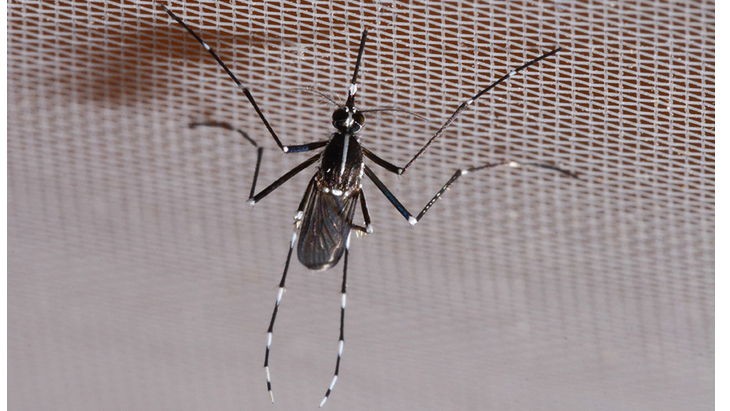
The impacts of invasive species extend far beyond traditional nature conservation concerns. Some species cause significant crop losses; others threaten livestock or facilitate the spread of pathogens and diseases. Managing invasions is therefore a complex societal challenge, requiring cooperation among natural and social scientists, decision-makers, landowners, practitioners, and the wider public. Effective action depends on cross-sectoral collaboration.
The booklet presents non-native and invasive species already present in Hungary, illustrating risks and management options through concrete case studies.
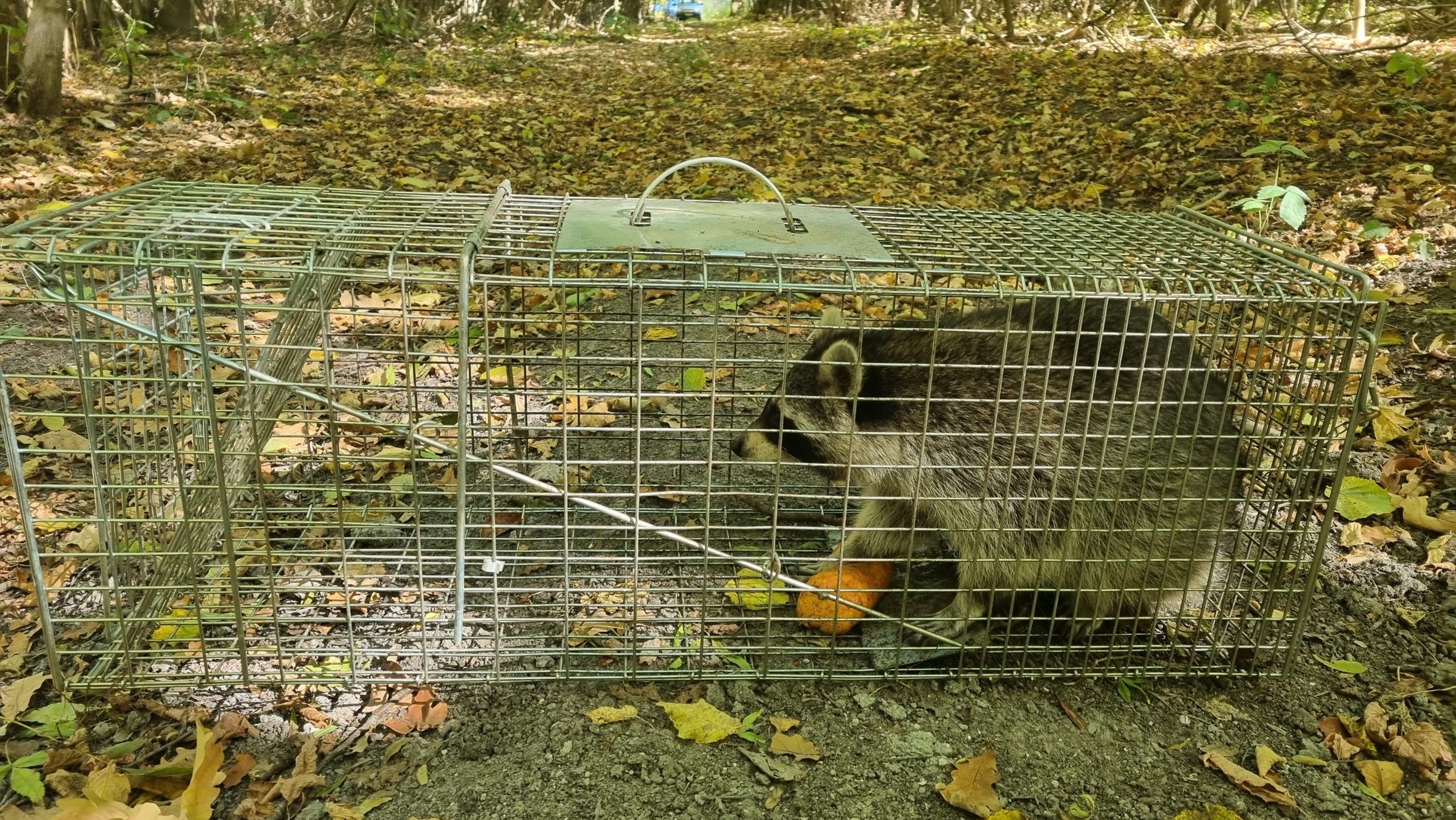
Its conceptual framework is rooted in the concept of One Biosecurity, recognising that invasive species may simultaneously pose ecological, economic, and public health risks. This interdisciplinary perspective integrates human, animal, plant, and environmental health in addressing biological invasions.
Új fajok, új kihívások (New Species, New Challenges) seeks to raise awareness, foster dialogue, and support long-term, coordinated action against invasive species.
The publication is available online via the website of the HUN-REN Centre for Ecological Research. Additional resources can be found on the Virtual Bookshelf of the Invasion Biology Division.